Rug Appraisal
Know the True Value of Your Rug
The Challenges of Rug Appraisal
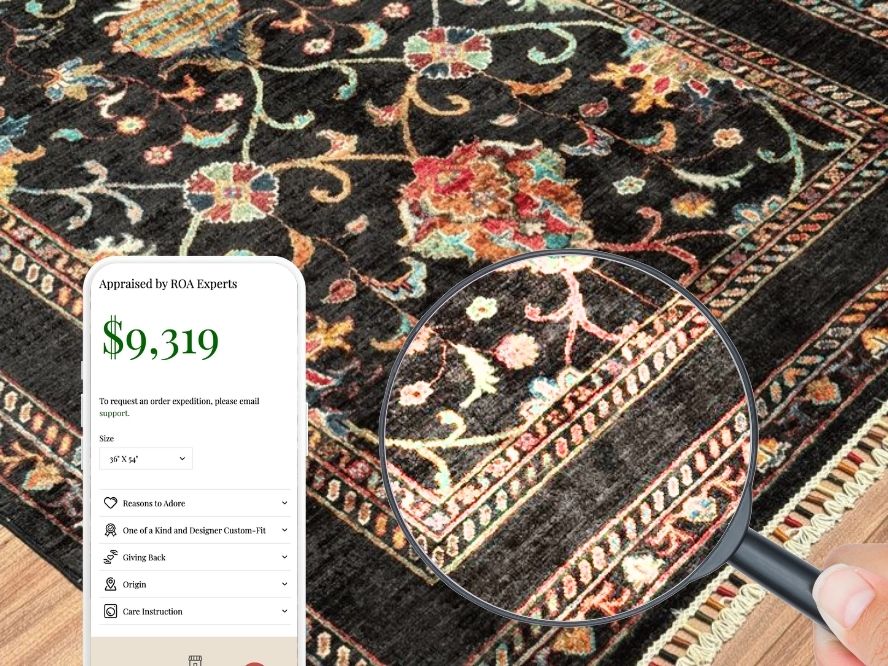
A rug’s value isn’t just about appearance or size. It depends on origin, age, materials, design, condition and even today’s market demand. Without expert insight, it’s all just guessing.
- Many factors affect appraisals and require expert evaluation.
- Details like knot count, dye type, or weaving style can affect price.
- Market demand changes over time, directly impacting a rug’s value.
- Restoration or damage can significantly raise or lower a rug’s worth.
- Insurance companies often require certified appraisals for coverage.
- Without expert insight, reproduction can be mistaken for an original.
The right appraisal gives you clarity, protection, and confidence in every decision.
The Challenges of Rug Appraisal
A rug’s value isn’t just about appearance or size. It depends on origin, age, materials, design, condition and even today’s market demand. Without expert insight, it’s all just guessing.
- Many factors affect appraisals and require expert evaluation.
- Details like knot count, dye type, or weaving style can affect price.
- Market demand changes over time, directly impacting a rug’s value.
- Restoration or damage can significantly raise or lower a rug’s worth.
- Insurance companies often require certified appraisals for coverage.
- Without expert insight, reproduction can be mistaken for an original.
The right appraisal gives you clarity, protection, and confidence in every decision.
The Risks Most Rug Owners Face
Many rug owners guess their rug’s value or trust generic online estimates. Wrong assumptions or inaccurate values can cost you money and peace of mind. Common risks include:
- Selling rugs far below their true market value without guidance.
- Overpaying for rugs that are less rare or valuable than claimed.
- Insurance claims denied or reduced without a certified appraisal.
- Family or estate disputes arising without an official record of value.
- Misidentifying a rug’s origin or age, leading to the wrong market value.
- Relying on verbal or “ballpark” estimates with no written proof.
- Overpaying for fake rugs mistaken as original, authentic, and valuable.
One wrong assumption can cost you thousands, or even the rug itself.
How ROA Helps You
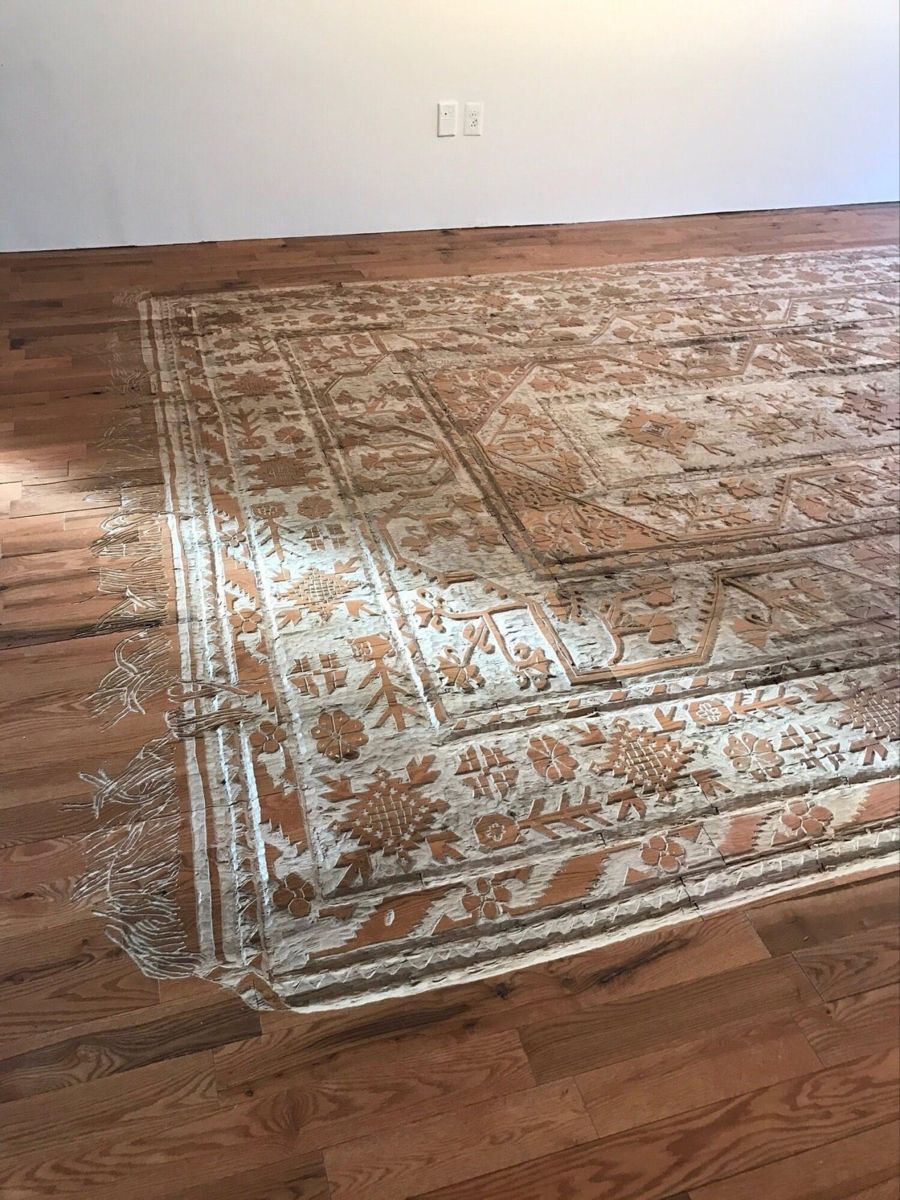
With ROA, you get an appraisal from a group of trusted Persian experts who understand both the art and the market. Here’s how we make the process safe and stress-free:
- A free in-home visit by a skilled Persian rug expert to inspect your rug.
- Detailed evaluation of origin, age, materials, knot count, and condition.
- Current market value based on real-world sales, not inflated estimates.
- Certified written appraisal you can use for insurance or sales purposes.
- Honest guidance on whether to keep, restore, sell, or insure the rug.
- Ongoing support if you need updated valuations in the future.
We make sure you always know your rug’s real worth. No guessing, no surprises.
A Rug’s True Value Is in the Details
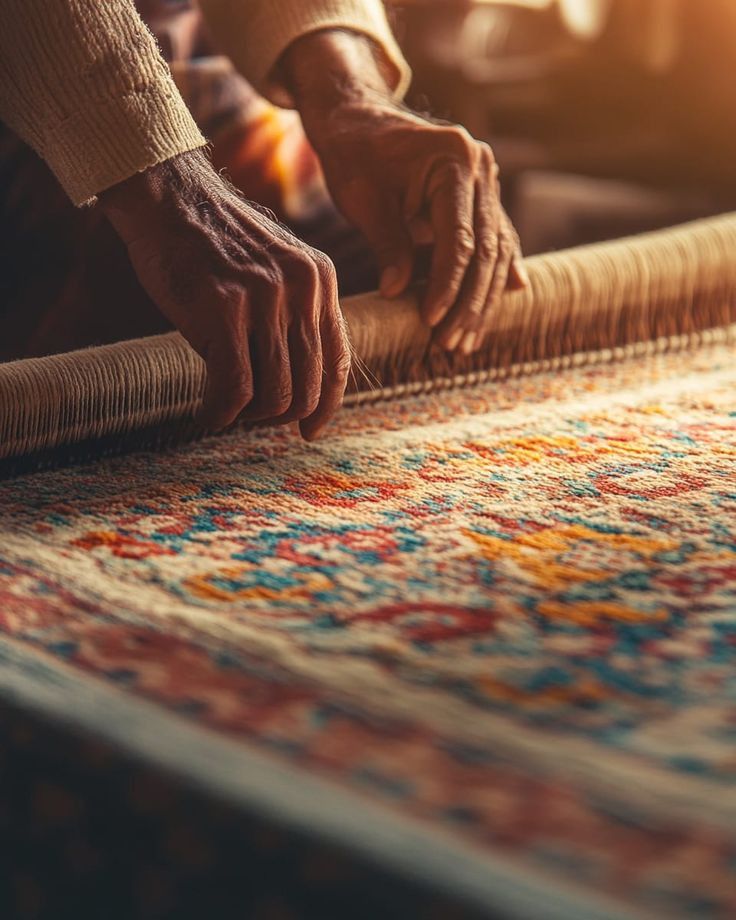
Two rugs can look almost identical, but differences in age, origin, materials, or craftsmanship can mean a huge gap in value.
That’s why expert appraisal considers every hidden factor and today’s market demand, giving you clarity, protection, and peace of mind.
Why It Matters
A professional appraisal gives you the knowledge to protect your rug’s value and make smart decisions.
- Ensures fair market pricing if you sell.
- Secures proper insurance coverage.
- Protects against fraud or misrepresentation.
- Helps plan restorations with confidence.
The knowledge you gain today protects your rug and your investment for years to come.
FAQ
Protect your rug today, so tomorrow it remains a part of your life.
- Why can two rugs that look alike have very different values?
Age, origin, dyes, knot count, and craftsmanship create major value differences invisible to the untrained eye. - What factors most affect a rug’s appraisal?
Materials, weaving technique, condition, design rarity, and current market demand all play key roles. - Why is a certified appraisal required for insurance?
Insurance companies need official, written reports; verbal or informal estimates don’t hold up in claims. - How do restorations or damages impact value?
Quality restoration may preserve or raise value, but poor repairs or visible damage usually reduce it. - Why do market trends matter in rug valuation?
Demand shifts over time—what was less valuable decades ago might be highly sought-after today. - What details help confirm authenticity?
Knot type, dye tests, weaving style, and provenance documents all distinguish originals from reproductions. - Why is knot count important in appraisal?
Higher knot counts often indicate finer craftsmanship, which can significantly increase a rug’s worth. - How does provenance or signature affect value?
Rugs with documented history, signed pieces, or workshop attribution often command higher prices. - Why do estate or family divisions require appraisal?
Appraisals provide a neutral, professional valuation to prevent disputes during inheritance or sales. - What mistakes do owners make when self-valuing rugs?
Relying on looks, size, or hearsay alone often leads to underpricing or overpaying without expert input.
Know Your Rug’s True Worth
Avoid costly mistakes with fake or undervalued appraisals.
Schedule your free in-home rug valuation today.