Rug Repair
Why Rug Repair Is Not Just Needle and Thread
The Challenges of Rug Repair
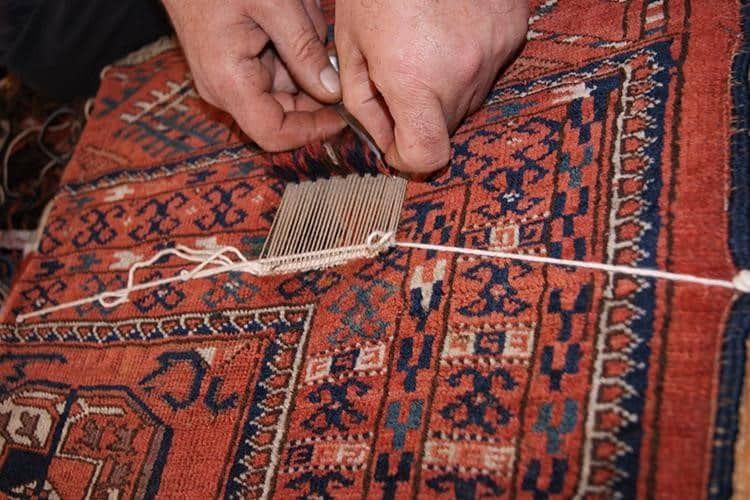
Repairing a rug means restoring its strength, shape, and beauty without leaving a trace. One wrong move can cause permanent harm or make the rug impossible to save. Here’s why:
- Each repair needs deep knowledge of materials and techniques.
- Weave, knot, and style must match the original in quality, color, and texture.
- Tears require hidden reinforcement to prevent future ripping.
- Mismatched tension can warp the rug shape or cause ripples.
- Poor or damaged fringes must be re-knotted to stope unraveling.
- Reweaving must replicate the original pattern, dye, and knot style.
- Edges need hand binding, not machine binding, for durability.
- Patching requires rebuilding the foundation before adding new pile.
- Antique rugs require specialized methods to keep their authenticity.
The right repair doesn’t just fix damage. It restores your rug’s strength, beauty, and value for years to come.
The Challenges of Rug Repair
Repairing a rug means restoring its strength, shape, and beauty without leaving a trace. One wrong move can cause permanent harm or make the rug impossible to save. Here’s why:
- Each repair needs deep knowledge of materials and techniques.
- Weave, knot, and style must match the original in quality, color, and texture.
- Tears require hidden reinforcement to prevent future ripping.
- Mismatched tension can warp the rug shape or cause ripples.
- Poor or damaged fringes must be re-knotted to stope unraveling.
- Reweaving must replicate the original pattern, dye, and knot style.
- Edges need hand binding, not machine binding, for durability.
- Patching requires rebuilding the foundation before adding new pile.
- Antique rugs require specialized methods to keep their authenticity.
The right repair doesn’t just fix damage. It restores your rug’s strength, beauty, and value for years to come.
The Risks Most Rug Owners Face
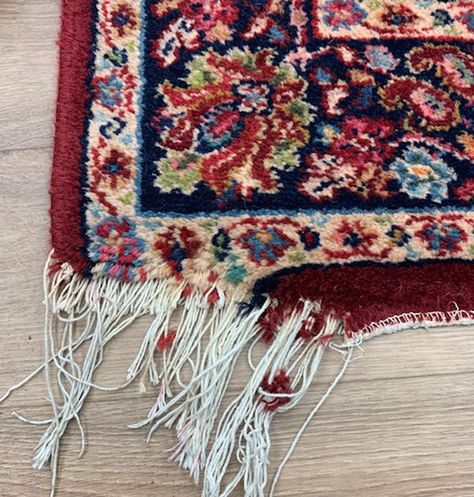
Many rug owners underestimate how much damage a poor repair can cause. Without skilled hands and attention to detail, a quick “fix” can easily make things worse. The risks Include:
- Skipping repairs before washing, making existing issues worse.
- Replacing original fibers with synthetic or mismatched ones.
- Cutting away more material than necessary during repairs.
- Driving up costs by redoing poor previous repairs.
- Sending rugs to unknown third parties, raising cost and risk.
- Untrained workers mishandling delicate or high-value rugs.
- Overcharging or upselling for unnecessary extra repairs.
- Late delivery with results far below the promised cleanliness.
One wrong repair choice can cost more than the work itself, and sometimes even the rug you’re trying to save.
How ROA Protects and Guides You
ROA ensures that every repair is handled by trusted master weavers who know exactly how to preserve both beauty and value. Here’s how we protect your rug:
- A rug expert assesses damages during a free in-home visit.
- A project manager runs the process and keeps you updated.
- We choose the right artisans with proper repair expertise.
- We block overcharges and upsells, and offer payment plans.
- If anything isn’t right, we stay with you until it’s resolved.
We make sure your rug gets the right care from the right hands. No guesswork, no risks.
Small Damages Can Turn Into Big Disasters
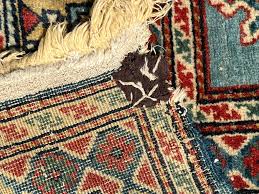
Minor tears or weak edges may look harmless, but during washing they can spread quickly and cause serious harm.
That’s why rugs must be inspected and repaired before cleaning, so small issues don’t become costly or irreversible.
Why It Matters
The way your rug is repaired can determine whether it lasts for decades or starts falling apart again in months.
- Keeps its colors, fibers, and design true to the original.
- Prevents small issues from turning into costly damage.
- Protects both sentimental and financial value of your rug.
- Save money long-term by avoiding repeated or major repairs.
- Gives peace of mind knowing it’s in expert, careful hands.
The care you choose today decides how long your rug will be part of your story.
FAQ
Protect your rug today, so tomorrow it remains a part of your life.
- Why must small damages be repaired before cleaning?
Washing magnifies problems. Loose edges or tears spread quickly in water, turning minor issues into major, costly damage. - Why is hand binding stronger than machine binding?
Hand binding locks edges knot by knot. Machine binding often unravels within months, leaving the rug vulnerable again. - Why must new threads match the original?
Color, texture, and quality mismatches stand out. Proper thread matching keeps the rug’s look and value intact. - How does poor tension during repair affect a rug?
Uneven tension warps the shape, creating ripples or pulling that weaken the foundation over time. - Why is reweaving more complex than patching?
Patching covers damage but weakens the base. Reweaving replicates original knots, preserving strength and design. - How do poor fringe repairs create bigger problems?
Weak or glued fringes fray again quickly. Proper overcasting protects the foundation and prevents unraveling. - Why do antique rugs need specialized repair methods?
Older fibers, vegetable dyes, and handspun yarns require gentler, slower techniques to keep authenticity and prevent damage. - How can bad repairs lower a rug’s value?
Visible patches, wrong colors, or machine fixes reduce market value. Quality repairs maintain or even raise worth. - What’s the role of foundation rebuilding in repair?
Without fixing the base, pile repairs won’t hold. Rebuilding ensures strength before knots or threads are replaced. - What questions should I ask before approving a repair?
Ask about matching materials, method used, expected longevity, and whether the repair will remain invisible when finished.
Bring Your Rugs Back to Life
Don’t wait until a small tear turns into a major loss.
Claim your free in-home repair consultation before it’s too late.